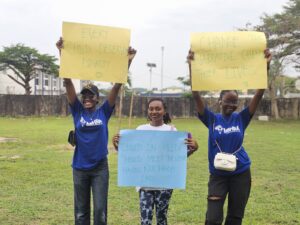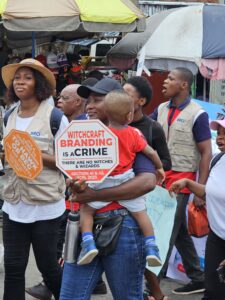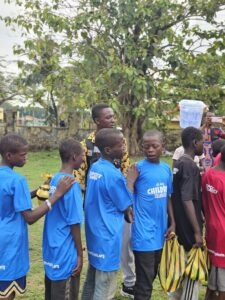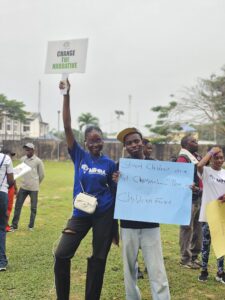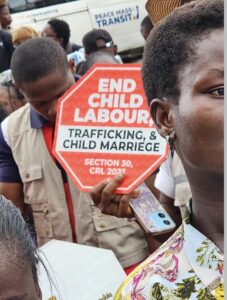
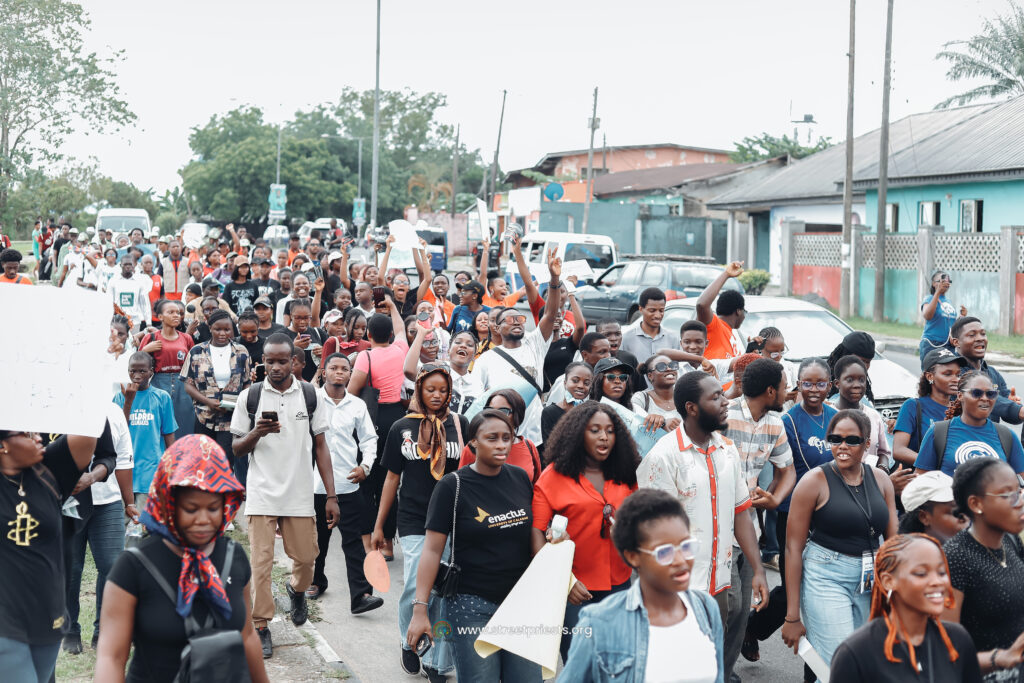
On April 10, 2026, MIHRA Calabar stood alongside Street Priests with a shared purpose: to draw attention to the lived realities of street children in Calabar, Cross River State. What we witnessed was not just a social issue, but a powerful reminder that the way society views these children must change.
Too often, street children are labelled as troublemakers, criminals, or even accused of witchcraft. These labels are not only harmful; they are dangerously misleading. Behind every child on the street is a story; one shaped by hardship, abuse, neglect, displacement, and the daily struggle to survive. These are not choices children make; they are circumstances forced upon them. What is frequently overlooked in these conversations is trauma. Deep, unaddressed trauma sits at the core of many of these children’s experiences. It influences how they behave, how they interact with others, and how they perceive themselves. Yet, instead of responding with understanding, society often responds with punishment.
This is why the conversation must go beyond protection alone. While safeguarding children from harm is critical, it is not enough. We must also prioritise their mental health. These children need safe spaces where they can begin to heal. They need access to care systems that recognise their emotional and psychological needs, not just their physical safety. We must shift our perspective and begin to ask better questions. Instead of “What’s wrong with them?” we ask, “What have they been through?” Instead of pushing them away, we consider how to bring them into systems of support, care, and opportunity.
Every child deserves safety. Every child deserves dignity. And every child deserves access to the kind of care that helps them heal and thrive. If we truly want to see change, we must stop vilifying street children and start supporting them.
Real transformation does not come from punishment; it comes from protection, empathy, and sustained support.